Is Kelowna Worth Visiting? Your Complete 2026 Travel Guide
Kelowna is one of the few places where city life and beach time blend into the same day. You can hike in the morning, eat in the core at lunch, and be back on the sand or in the water that afternoon without driving far. In winter, having a major ski hill close by pulls the same trick with snow instead of sand, which is why the city works in every season.
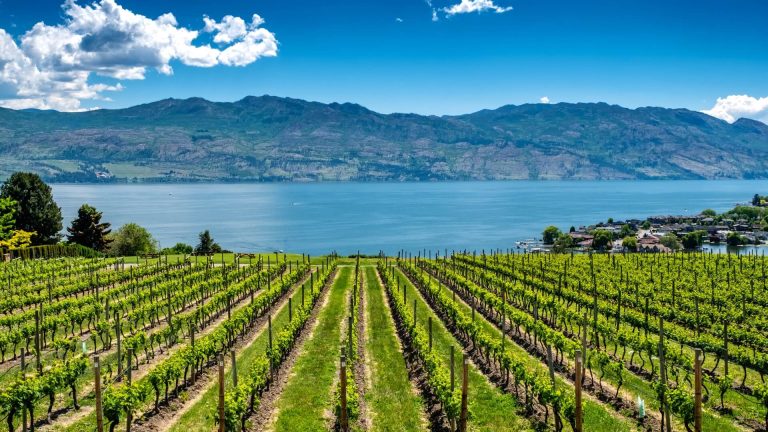
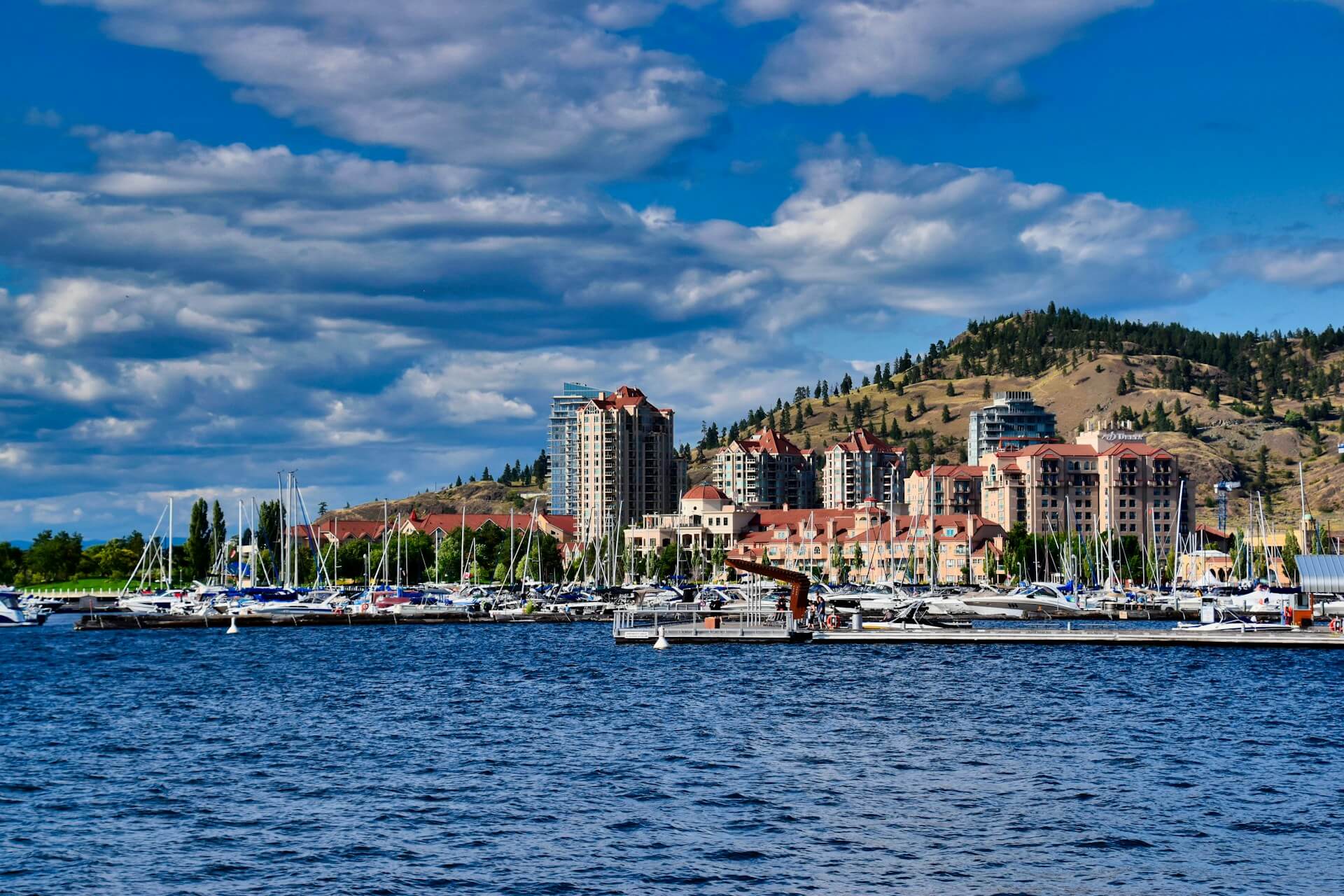
The gorgeous city of Kelowna sits on the eastern shore of Okanagan Lake in the middle of BC’s wine country. It’s a mid‑sized city with a walkable waterfront, long beaches, busy summer streets, and hills behind it covered in vines, orchards, and neighbourhoods. On a normal day you’ll see paddleboards and boats on the water, people walking or cycling the lakeside paths, and traffic moving along Highway 97, which cuts through town.
You’ll find 40 wineries within Kelowna proper and another 135+ scattered throughout the surrounding region, making this one of North America’s premier wine destinations. But unlike Napa or Sonoma, Kelowna hasn’t lost its authentic Western Canadian charm—it’s a real city where real people live, not just a tourist playground.
Is Kelowna Worth Visiting? (Quick Answer by Traveller Type)
Wine and food travellers:
Kelowna works well if you like spending your days between tasting rooms, patios, and casual spots to eat. Wineries and cideries are scattered along the lake and into West Kelowna, so you can build easy half‑day or full‑day routes without long drives. A quick look at a map or street‑level video of the main wine areas helps when you’re choosing where to base yourself.
Families:
For families, Kelowna is best for simple, low‑pressure days. Beaches, playgrounds, flat walking paths, and ice cream shops are all close together around the downtown and Pandosy areas. You won’t find a theme park, but you will find enough space for kids to swim, run around, and burn off energy without complicated planning.
Outdoor and active travellers:
If you like to be outside, Kelowna is a solid base. Knox Mountain, lakeside paths, rail trails, and nearby canyons offer hiking, biking, and good viewpoints without needing a full backcountry setup. You still have regular city services around you, so it’s easy to pair a morning outside with an afternoon on the lake or in town.
Winter visitors:
In winter, Kelowna is quieter. Expect a mix of mild days, colder snaps, and snow that comes and goes in the city while sticking longer in the surrounding hills. It can be a good time for people who prefer calmer tasting rooms, lower summer‑style crowds, and using the city as a base for nearby ski and snow areas.
Relocation scouts:
If you’re here to see whether Kelowna fits as a place to live, spending time in different neighbourhoods matters. Downtown, Pandosy, Rutland, and West Kelowna each have a different feel, mix of housing, and level of traffic. Walking and driving those areas for yourself will tell you a lot more than listing photos or quick tourist visits ever will.
What Kelowna Is Known For
Wine Country
Kelowna sits in the middle of one of Canada’s best‑known wine regions, and you feel that as soon as you start driving the hills. Big names like Mission Hill, Quails’ Gate, and Summerhill pull most of the attention with their lake views and polished tasting rooms, but they’re only part of the picture. On a normal day you’ll see everything from tour buses at the main estates to locals popping into smaller wineries for a quick tasting after work.
Late afternoon is usually the sweet spot: the light is softer, the lake and hills change colour, and the day‑trip crowds have thinned out. Summer weekends can mean clogged parking lots and slow‑moving traffic on the main winery roads, so it’s worth booking ahead and leaving more time than you think you’ll need. If you like quieter spaces, look at smaller wineries and cideries tucked a bit off the main routes; they don’t always make the big lists, but they’re often where you get the most relaxed tastings and real conversation.
Okanagan Lake and the Waterfront
Okanagan Lake is the backdrop to almost everything in Kelowna. The downtown waterfront is busy in the best way: people walking, kids on scooters, boats coming and going, and a constant shuffle between parks, patios, and the marina. Some stretches are almost always lively, while the paths closer to residential areas and smaller beaches are much quieter, especially in the mornings or outside peak summer.
The feel of the lake changes with the time of day. Early mornings are calm, with flat water and locals walking dogs or grabbing coffee; afternoons bring heat, boat noise, and more activity; evenings cool down with long light and people out for one last walk or swim. If you prefer to avoid the thickest crowds, aiming for weekday mornings or shoulder‑season evenings gives you the same views with a lot more breathing room.
Myra Canyon and the Outdoors
Myra Canyon is one of the few spots that lives up to the hype. The old Kettle Valley Railway line runs along the side of the mountain over trestle bridges and through short tunnels, with steady views across the valley. The grade is gentle, but the outing still takes time: once you factor in the drive up the gravel road, parking, bike rental or setup, photo stops, and breaks at viewpoints, it usually becomes a half‑day trip rather than a quick ride.
Conditions shift with the seasons. In summer it can be hot and dusty on the exposed sections, so water, sunscreen, and an earlier start help a lot. In spring and fall, you can run into puddles, mud, and cooler winds along the edges. In winter, snow and ice on the access road and trail can shut things down or make a 4WD and good tires feel less like a luxury and more like a requirement. If you only have time for one viewpoint‑style outing in town itself, Knox Mountain is usually the better call: you get a straightforward climb or drive up, clear views over the city and lake, and you can fit it into a morning or evening without planning your whole day around it.
Things to Do in Kelowna, BC
Kelowna has more to do than you can fit into a single trip, but most visits end up circling the same core ingredients: time by the lake, at least one viewpoint, and some mix of wine, food, and easy outings. Instead of a long list, the ideas below are grouped by the kind of day you want to have, so you can quickly pick what fits and ignore the rest.
Free or Low‑Cost Days
Walk the waterfront and City Park
The downtown lakeside path, City Park, and the nearby beaches are easy first stops. This is for people who like simple days outside and don’t need a packed schedule. Skip it as your main plan if you hate crowds in July and August or don’t enjoy walking.
Knox Mountain Park
Knox is the go‑to in‑town viewpoint. You can hike from the base or drive partway up and walk the rest. It suits visitors who want clear views without a full‑day hike. If you struggle with steep climbs or tight road edges, stick to the lower viewpoints and easier routes.
Kasugai Garden and downtown wandering
Kasugai Garden is a small Japanese‑style garden tucked behind City Hall. It’s quiet, quick to visit, and pairs well with a slow wander through downtown. Good for people who like calm corners and short, simple stops. If you’re looking for big “wow” moments, this will feel more like a nice extra than a main event.
Local markets and farm stands
In season, you’ll find farm stands, the main farmers’ market, and smaller pop‑up markets with fruit, vegetables, and local vendors. This is for people who like seeing everyday life and picking up snacks or picnic supplies. If you’re not interested in food or local products, you can safely skip this and focus on the lake and viewpoints instead.
Classic “Kelowna Trip” Hits
Wine touring around Kelowna and West Kelowna
A day of winery visits is still the classic Kelowna experience. It suits visitors who like slow days, tasting flights, and views from patios. If you don’t want to worry about driving or planning the route yourself, you can book a small‑group wine tour through a service like GetYourGuide and let them handle the logistics while you focus on the tastings. If you don’t drink or dislike structured tastings, you’re better off spending that time on the lake, trails, or in town instead.
Big White day or overnight trip
Big White is Kelowna’s closest ski resort and an easy winter or shoulder‑season side trip when the road is clear. It’s a good pick for skiers, snowboarders, and people who want a proper snow day with a village feel. If you’re not into snow sports or don’t like winter driving, this one is easy to leave off the list.
Lake days: swimming, paddling, boat rentals
Beaches, paddleboard rentals, and boat rentals are scattered around the city and nearby communities. This suits anyone who wants a full or half day built around the water without going far. If you’re not a fan of crowds or loud boats, choose quieter beaches, go early or late in the day, or stick to walking paths instead of the main swimming areas.
Food and drink in the core
Kelowna has a steady mix of coffee shops, casual restaurants, breweries, and a few spots that lean more “special night out.” This is for visitors who enjoy trying local places and don’t mind waiting for a table at busy times. If you want ultra‑fine dining or famous chef names, you may find the scene more relaxed than you’re looking for.
Outdoor and Active Days
Biking the rail trails and lake routes
Kelowna has rail trails and lakeside routes that work well for casual riders and people who just want to be outside without dealing with heavy traffic or steep climbs. You can bring your own bike, rent one in town, or join a guided bike tour that handles the route and timing for you. Services listed on platforms like GetYourGuide often include half‑day and full‑day rides, which is handy if you’d rather simply show up, ride, and be done. If you’re not comfortable on a bike or don’t enjoy being out for a few hours at a time, you’ll be happier sticking to walks, viewpoints, and lake time instead.
Myra Canyon trestles
The Myra Canyon section of the Kettle Valley Rail Trail is one of the most popular outings around Kelowna. You ride or walk along an old rail line with trestle bridges, short tunnels, and wide views across the valley. It’s best for visitors who are fine with gravel roads, a bit of dust, and a half‑day time commitment. If you don’t like heights, narrow edges, or being out in the sun for long stretches, it may not be your favourite stop.
Hiking and short viewpoint walks
Along with Knox Mountain, there are shorter local hikes and viewpoint walks scattered around the city and nearby hills. They suit people who want to move a bit, get some elevation, and see the layout of the lake and neighbourhoods from above without heading deep into the backcountry. If hiking isn’t your thing, you can still get good views from drive‑up lookouts and lake‑level parks.
Quirky or More Unique Picks
Kangaroo Creek Farm
Kangaroo Creek Farm, just outside Kelowna, is one of the more unusual stops in the region. It’s aimed at people who enjoy animal encounters and don’t mind crowds, especially in summer and on weekends. If you’re not into animals in tourist settings, or you prefer quieter natural spaces, you can skip this without feeling like you missed the “real” Kelowna.
Public art, murals, and small galleries
Kelowna has a growing collection of murals, public art pieces, and small galleries, mostly in and around the downtown core. This works well for visitors who like wandering with a coffee in hand and noticing details rather than racing between big attractions. If that kind of slow exploring doesn’t appeal to you, you’ll be happier focusing on the lake, wineries, and main viewpoints.
Ogopogo lore along the lakeshore
Ogopogo, the local lake‑monster legend, shows up in statues, signs, and souvenirs along the waterfront. It’s a fun side theme for kids and anyone who enjoys local stories and myths. If you’re not interested, you’ll still see references to it as you walk the lakefront, but it doesn’t need to be something you plan your day around.
Seaplanes and sightseeing flights
In season, seaplanes and small aircraft sometimes offer short sightseeing flights over the lake and valley. These are best for people who want a fast, high‑impact view and don’t mind paying more for the experience. If you’re on a tighter budget or hate small planes, you’ll still get plenty of scenery from ground‑level viewpoints and lakeside walks.
Is Kelowna Expensive?
Kelowna is not the cheapest place to visit in BC, but you can still make it work on different budgets if you plan a bit. Summer and long weekends cost the most, especially for accommodation near the lake. Shoulder seasons (spring and fall) usually give you better room rates, more availability, and fewer crowds.
As a rough guide, a basic trip with a budget hotel or simple rental, some meals out, and a couple of paid activities can land in the “moderate but not extreme” range for a Canadian city. If you’re happy with simpler places to stay, cooking some meals, and focusing on free or low‑cost outings, costs drop quickly.
To make your money go further, a few small habits help:
- Booking outside peak summer and big event weekends.
- Staying a short walk or quick bus ride from downtown instead of right on the waterfront.
- Using free or cheap parking spots you’ve checked ahead of time instead of feeding meters all day.
- Doing more lake walks, hikes, and viewpoints, and saving paid tours or tastings for one or two key days instead of every day.
How Many Days Do You Need?
You can get a feel for Kelowna in two days, but three to four is more comfortable. A week gives you time to mix in day trips and slower days by the lake without feeling rushed.
If You Have 2 Days
Day one is usually about the lake and downtown: walk the waterfront, explore City Park, check out a viewpoint like Knox, and have a relaxed dinner in the core. Day two often goes to wine touring or a bigger outdoor outing like Myra Canyon, depending on the season and what you enjoy most. This length works best if you don’t mind a fairly full schedule and you’re okay with picking just one or two “bigger” activities.
If You Have 3–4 Days
With three or four days, you can slow down:
- One day for lakefront walking, downtown, and a viewpoint.
- One day for wine touring or a mix of wineries and cideries.
- One day for an active outing like biking a rail trail or heading up to Myra Canyon.
- If you have a fourth day, you can keep it loose with markets, quieter beaches, or a side trip you didn’t have time for earlier.
This length is ideal if you like to balance busy days with at least one lighter day where you mostly wander and see what you find.
If You Have 5–7 Days
With five to seven days, Kelowna works as a base for wider exploring in the Okanagan. You can still fit in the usual lakefront, viewpoint, and wine days, then add:
- A full day or overnight at Big White in winter.
- Extra time on the rail trails or lakeshore paths if you bike or walk a lot.
- Day trips to nearby communities and wine areas if you’re curious about more than one part of the valley.
A week is a good choice if you’re mixing work and travel, visiting friends or family, or using the trip to seriously scout the area as a possible place to live.
Best Time to Visit Kelowna: Seasonal Strategies
Kelowna has four real seasons, and the right time to visit depends on what you want most: heat and lake days, harvest and wine, quiet walks, or a mix of snow and city.
Spring (April–June)
Spring is a good choice if you like milder weather and fewer crowds. Trees and vineyards are waking up, patios start to open, and you can hike or walk without dealing with peak‑summer heat. It’s a solid time for people who want to balance outdoor time, wine touring, and simple city days without everything feeling busy or overbooked.
If you’re sensitive to wildfire smoke or high temperatures, spring often feels safer and more comfortable than mid‑summer. Just pack for mixed conditions—sunny afternoons, cooler evenings, and the odd rainy day.
Summer (July–August)
Summer is when Kelowna feels the most alive. The lake is warm, beaches are busy, and patios, events, and festivals stack up across July and August. This is the right time if you want long days on the water, evening walks in shorts, and a steady stream of things happening around town.
The trade‑offs are price, heat, and crowds. Accommodation near the lake is at its most expensive, parking can be a hassle in the core, and hot stretches are common. If you pick summer, plan ahead, book early, and build in quiet mornings or evenings to balance out the busier parts of the day.
Fall (September–October)
Fall is often the sweet spot. The air cools down, the hills shift to gold and red, and wineries settle into harvest season. September still feels like summer most days, just without the same level of traffic and crowding you see in July and August.
This is a great time if you want to mix wine touring, hiking, and lake views with more breathing room. Evenings get cooler, so layers help, but you usually keep comfortable daytime temperatures for being outside.
Winter (November–March)
People often ask, “Is Kelowna worth visiting in winter?” The answer is yes if you like quieter trips and don’t mind cooler weather. Winters here are colder and darker than the other seasons, but milder than many other Canadian cities. You get a mix of bare‑ground days in town, snow on the surrounding hills, and full winter conditions at nearby ski hills.
Winter works well for visitors who want calm tasting rooms, easier parking, and lower room rates than peak summer. It’s also a practical base for ski days at Big White or other nearby snow areas. Just plan for changing road conditions, shorter daylight hours, and a pace that leans more toward slow city walks, indoor time, and targeted outings instead of long, packed days outside.
A Quick Note on Personal Timing
If you like warm evenings, decent lake weather, and fewer crowds, late May to mid‑June and mid‑September to early October are usually the easiest months to work with. You still get most of what people come to Kelowna for, with a bit more space and calmer streets than the very middle of summer.
Kelowna vs Vancouver, Victoria, and Whistler
Kelowna sits in a different lane than Vancouver, Victoria, and Whistler, even though people often compare them.
Kelowna vs Vancouver
Vancouver is the better choice if you want a big city: stronger transit, more nightlife, and more of everything stacked close together. Kelowna fits better if you like easier driving, quicker access to lake and trail, and a pace that doesn’t feel like a grind. If you want lots of restaurants and services but hate the scale, cost, and traffic of Vancouver, Kelowna is usually the better match.
Kelowna vs Victoria
Victoria has the ocean, older architecture, and a more compact, walkable core. It feels like a small city with a lot of history and a softer, coastal climate. Kelowna trades the ocean for a large, warm lake, hotter summers, and quicker access to vineyards and hills. If you like island life, ferries, and the feel of a capital city, pick Victoria; if you care more about wine, heat, and day trips up and down a valley, Kelowna will suit you more.
Kelowna vs Whistler
Whistler is built around skiing and mountain sports, with a resort village at the centre of everything. It’s great for short, high‑energy trips that are all about the slopes and trails. Kelowna is more balanced: lake in summer, wine and shoulder seasons, and ski days from the city in winter. If you want a focused ski or bike trip, go to Whistler; if you want a place that works in every season and feels more like a real city you could come back to often, Kelowna makes more sense.
Where to Stay in Kelowna: Neighbourhood Guide
Kelowna’s neighbourhoods feel different once you’ve actually walked or driven them. Here’s a simple breakdown to help you choose a base.
Downtown
Best for people who want to walk to the lake, restaurants, and bars and don’t mind some noise. You’re close to the waterfront, City Park, events, and most of the core action. The trade‑offs are tighter parking, busier streets in summer, and higher prices for anything right near the water. This complete downtown tour takes you through every street and gives you the real feel of the city—from the quiet Japanese gardens to the bustling Bernard Avenue shopping district: Kelowna Downtown Virtual Tour – 8k
Pandosy / South Pandosy
Pandosy suits visitors who like a neighbourhood feel but still want easy access to the lake and places to eat. You get smaller beaches, local shops, and tree‑lined streets, plus a mix of older homes, low‑rise buildings, and newer spots. Summer traffic along Lakeshore and Pandosy can get busy, and parking near the most popular beaches fills fast on hot days, so it’s worth paying attention to where you’ll actually park. You can see a brief tour of this neighbourhood here: Pandosy Neighbourhood Tour
Lower Mission and Lakeshore areas
These areas are all about being close to the lake, trails, and parks, with a more residential feel. They work well if you want quick beach access, quieter evenings, and don’t mind driving a short distance for downtown meals or events. In peak summer, Lakeshore Road can feel slow and packed at certain times of day, especially around major beaches and boat launches.
West Kelowna
Staying on the west side of the bridge puts you closer to a lot of wineries and gives you wide views back toward Kelowna. It’s a fit if you care more about vineyard and lake views and don’t mind driving into the city when you need it. The bridge and Highway 97 corridor can back up at rush hour and on busy weekends, so a “10‑minute drive” can stretch out if you hit it at the wrong time. You’ll find a lot of accommodations are actually located in West Kelowna or West Bank, so if you’re wondering what that feels like compared to Kelowna, you can watch a quick highway 97 tour of the two.
Rutland and north‑end areas
These areas are more residential and practical than scenic, with a mix of older and newer housing and easier access to some services, shopping, and the airport. They can work if you’re on a tighter budget, visiting friends or family nearby, or using Kelowna as a base for driving further afield. If you’re here mainly for lakefront and wine, being this far from the water can feel less convenient.
Getting to Kelowna
Kelowna International Airport (YLW) makes arrival simple with direct flights from Vancouver (1 hour), Calgary (1.5 hours), Toronto (4.5 hours), and Seattle (1.5 hours). The airport sits just 15 minutes from downtown, and rental cars are readily available if you want your own wheels.
Driving to Kelowna creates part of the adventure. From Vancouver, expect 4-5 hours covering 395 kilometers via the famous Coquihalla Highway—a stunning mountain pass that climbs through multiple climate zones. From Calgary, allow 6-7 hours for the 609-kilometer journey. Seattle visitors face a 5-hour drive covering 482 kilometers.
The scenic alternative follows Highway 97 through the entire Okanagan Valley, trading efficiency for beauty. You’ll pass lake after lake, fruit stand after fruit stand, and winery after winery. The drive takes longer but rewards you with constantly changing views and small-town stops. You can plan your drive using this virtual Highway 97 tour that previews the entire route from Penticton to Kelowna.
Final Verdict: Is Kelowna Worth Visiting?
Kelowna is a good fit if you value easy access to the lake, a solid mix of wine and food, and straightforward day trips into the hills and nearby towns. It works best for people who like simple days outside, are comfortable driving a bit, and don’t need big‑city nightlife or a long list of headline attractions. If that sounds like you, it’s a place you can come back to in different seasons and still find new corners to explore.
To plan your trip, it helps to look at a few real‑time views before you book. You can preview downtown and the waterfront, check out neighbourhood streets, or see what winter roads look like by watching a couple of 360° drives that match the time of year you’re visiting, then use this guide to fill in the rest of your plans.