Is Downtown Vancouver Safe in 2026? Real‑World Safety Guide for Visitors and New Residents
Quick answer — is downtown Vancouver safe in 2026?
If you’re staying in the usual downtown areas and using common sense, Vancouver still feels reasonably safe in 2026 for most visitors and people moving here. Vancouver Police data show that city‑wide violent crime reports dropped from 6,288 incidents in 2023 to 5,343 in 2025, with assaults falling from 4,937 to 4,141 over the same period (Vancouver Police Department crime‑rate report, 2021–2025). In mid‑2025, the department highlighted an 11.2% drop in violent crime in one quarter compared with the year before, calling it the lowest number of violent crimes recorded since they began tracking with their current system in 2002 (VPD and local news briefings on the 23‑year low in violent crime).
That said, the first thing many people notice downtown isn’t the crime stats, it’s the street scene. You will see visible homelessness, open drug use, and a heavy emergency‑services presence in certain pockets, especially around parts of the Downtown Eastside near Hastings and Main, and that can feel confronting if you’re not used to it. Most of the time, these issues are concentrated in a few blocks and involve people who are already part of the street‑drug and housing crisis, rather than random attacks on tourists or office workers walking to the SkyTrain, which aligns with how local safety guides and crime‑summary reports describe the situation on the ground.
The practical takeaway is pretty simple: pick your base carefully, stick to the main, well‑lit streets at night, and learn which areas to avoid cutting through after dark. If you stay in the usual hotel zones in the West End, Coal Harbour, Yaletown, or the busier parts of the downtown core and follow the same habits you’d use in any big city, you’ll likely feel comfortable here. Prefer to see it instead of just reading about it? Here’s a real‑time drive through downtown Vancouver filmed in early 2026.
How safe is downtown Vancouver by the numbers?
City‑wide violent crime trends
If you look past the headlines and into the data, Vancouver has actually become less violent over the last few years. Vancouver Police figures show that overall violent‑crime reports dropped from 6,288 incidents in 2023 to 5,343 in 2025, and assaults fell from 4,937 to 4,141 in the same period (Vancouver Police Department “Crime Rate 2021–2025” report and related media summaries of the data). In 2025, the city and VPD publicly described this as a 23‑year low in violent crime, pointing out that serious incidents have declined even while the downtown core stays busy and the conversation about safety has become louder (VPD and city briefings covered by local outlets such as CityNews and Global News). Travel safety guides that compare big cities still tend to put Vancouver on the safer end of the spectrum, with a lower violent‑crime risk than many large U.S. metro areas, while warning that property crime and petty theft are the more common frustrations for visitors.
That gap between the numbers and how people feel is mostly about what’s visible on the street. A handful of well‑publicized assaults, constant social‑media clips from the Downtown Eastside, and regular coverage of homelessness and addiction have all made the city seem harsher than it did a decade ago, even though the official violent‑crime curve has been bending down. When you’re walking around downtown, you react to what you see in front of you, not to a crime‑rate PDF, so it’s very common for newcomers to say they were surprised by how “rough” certain blocks looked compared with the safety ratings they read before they came in 2026 travel and relocation guides.
Downtown Eastside and nearby areas
The Downtown Eastside is where the statistics and the lived experience collide most sharply. According to Vancouver Police updates on “Task Force Barrage” and related enforcement efforts in 2025, violent crime in the DTES dropped by roughly double digits compared with 2024, with similar reductions reported in nearby Gastown, Chinatown and Strathcona as extra officers focused on repeat violent offenders and street‑level crime (as summarized in VPD news releases and follow‑up coverage in local news). Those same updates point to notable drops in serious assaults, robberies and commercial break‑ins across those neighbourhoods, bringing violent‑crime levels down to their lowest point in more than two years.
Even with those gains, the area is still challenging, and the main risk for most outsiders remains property crime rather than being attacked at random. A 2025 Downtown Eastside crime report, based on Vancouver Police data, estimated the lifetime risk of being a victim of violent crime in the DTES at about 1 in 69, compared with a roughly 1 in 16 chance of experiencing some form of property crime, which includes break‑ins, theft from vehicles and opportunistic theft of unattended items. Neighbouring districts like Gastown, Chinatown and Strathcona have shared in the recent decreases in violent crime and serious assaults, but they still sit close to the sharp end of Vancouver’s street‑disorder issues because of their proximity to the DTES. That’s why locals will often tell visitors that the numbers are moving in the right direction, but you still need to be careful about which side streets you cut through after dark.
The reality on the ground — what downtown feels like in 2026
Areas that feel comfortable for most visitors
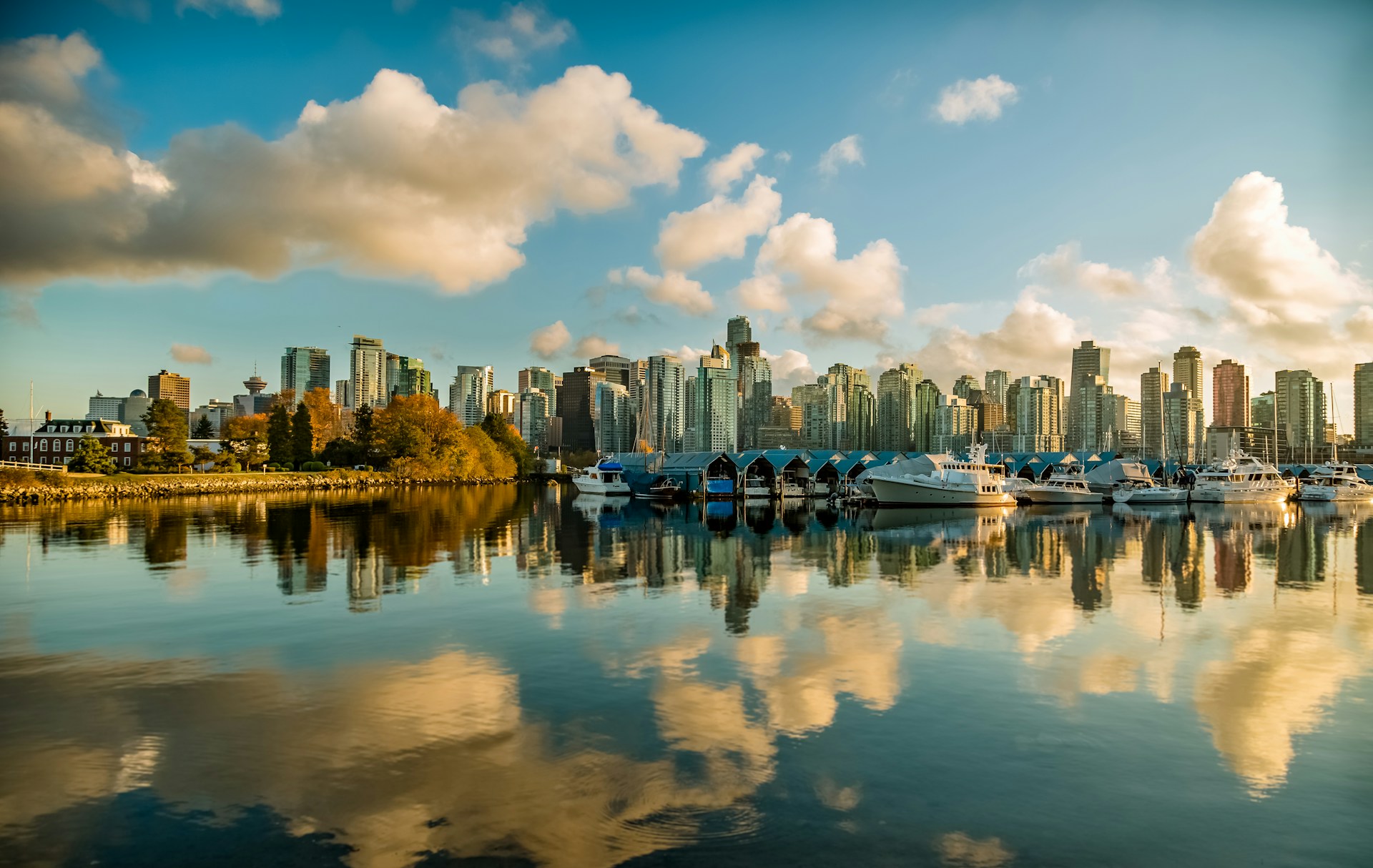
If you stay in the West End, Coal Harbour or Yaletown, downtown Vancouver usually feels pretty relaxed and easy to walk around, even at night. Recent 2026 safety guides for visitors describe these areas as busy and well lit into the evening, with dog walkers, people heading out for dinner and runners on the seawall, and they still recommend them first for newcomers and solo travellers who want to be central without feeling stressed about safety. The same goes for the blocks around Robson, the earlier‑evening stretch of Granville, and the stadium district near BC Place and Rogers Arena on event nights: big crowds, bright lights and lots of staff and security, so it feels like any other major arena zone. When people ask “Where should I stay to feel safe in downtown Vancouver?”, most travel sites and a lot of locals in recent TripAdvisor, Reddit and Facebook threads point them straight to these pockets.
The Downtown Eastside and surrounding blocks
The Downtown Eastside is a very different experience, and you feel the shift as soon as you drift toward East Hastings and Main. Visitors commonly talk about seeing sidewalk tents and makeshift encampments, people using drugs in public, open dealing, and a steady stream of ambulances and fire trucks responding to overdoses and medical calls on those blocks. At the same time, local and provincial reports tie what you see there directly to the toxic‑drug and overdose emergency: by 2025, British Columbia had recorded more than 16,000 deaths from the poisoned drug supply since the crisis was declared in 2016, with a significant share of those deaths in Vancouver, and the city has responded by expanding supervised inhalation sites and other harm‑reduction services in and around the DTES.
For most people passing through, the important thing to know is that this intensity is very concentrated. The roughest stretch is usually a handful of blocks around Main and Hastings and some nearby side streets; once you step back toward Gastown’s main tourist lanes, the waterfront, or further west into the central business district, the feel changes quickly, which is exactly how both local safety blogs and first‑hand visitor reports describe it. Most of the serious risk is wrapped up in the existing street‑drug and homelessness crisis—people who live, work or use in that ecosystem—rather than random attacks on visitors walking between a hotel and a restaurant, which is why police and neighbourhood crime reports tend to emphasize property crime and targeted street violence over stranger attacks on tourists. That doesn’t mean you should wander there at night for curiosity’s sake, but it does mean that what you see on those blocks is not representative of the entire downtown peninsula.
Where your virtual drive fits in
One easy way to sense all this before you spend any money is to watch a real‑time drive through the area. Your 360‑degree tour shows what an early‑evening run through downtown and along Georgia Street actually looks like in 2026: where it feels polished and busy, where tents start to pop up, and how quickly the vibe changes from block to block. If you’re torn between a hotel in Coal Harbour, a place near BC Place or something closer to Hastings, that kind of unedited footage is useful—you’re basically previewing the streets you’ll be walking between your bed, the stadium, the waterfront and the SkyTrain before you lock anything in.
Downtown Vancouver safety tips (2026)
Choosing a safe area to stay
If you want downtown convenience without stressing about safety, most people narrow it down to the west side of the core: the West End, Coal Harbour, central Downtown, and Yaletown. Recent “where to stay” guides written by former residents and frequent visitors consistently recommend these neighbourhoods for first‑timers and families, describing Downtown as best for general sightseeing, the West End as relaxed and residential, Coal Harbour as quiet and upscale by the water, and Yaletown as a polished, restaurant‑heavy pocket that still feels comfortable walking home at night.
Where you probably don’t want to stay—unless you really understand the trade‑offs—is directly inside the Downtown Eastside or right on the roughest stretches of Hastings and Main. Even though violent crime has come down on those blocks, local crime reports and police task‑force updates are clear that the day‑to‑day reality is still tents, open drug use, and frequent emergency calls, and that isn’t what most visitors want outside their front door. If you like Gastown’s look, many current travel writers suggest choosing a spot closer to Waterfront Station and the touristy streets rather than deep toward the DTES side, so you can enjoy the historic vibe without walking through the highest‑stress blocks every time you go out.
Walking routes and areas to avoid (especially at night)
On foot, it helps to think in terms of “stick to the spines.” In the evening, walking along Robson, Burrard, most of Granville, and the waterfront promenades in Coal Harbour or around the stadiums is generally fine, especially when events are on and there are lots of people around; that’s exactly how recent 2025–2026 trip reports describe their experience getting back to hotels after concerts or hockey games. The same goes for the seawall paths near the West End and Yaletown—there are enough locals out that it rarely feels deserted unless you’re out very late on a wet winter night.
Where things change is when you start cutting across the map. The blocks around Main and Hastings, and the side streets that feed into that intersection, are the ones people most often mention when they say they accidentally walked into an area that felt intimidating. Late‑night Granville in the club strip can also feel rowdier after midnight, with intoxicated crowds and the occasional fight, and you see that reflected in both local news clips and first‑hand comments from people who stayed nearby. As with any city, empty side streets after midnight—especially if they take you toward the Downtown Eastside—are where you gain very little and increase your odds of running into the sort of street disorder you’d rather just avoid, so it’s smarter to walk the long way on main routes or grab a cab or rideshare if the vibe feels off.
Transit, cars, and property crime
Transit in Vancouver—SkyTrain and buses—is widely used and generally feels safe, but like any big‑city system it isn’t incident‑free. TransLink’s own safety pages and transit‑police advice boil down to common‑sense habits: wait and sit in busier, well‑lit areas of the platform, stay aware of your surroundings, keep valuables out of easy reach, and use emergency phones or silent‑alarm features if you ever feel threatened. The agency’s 2030 customer‑experience plan also explicitly calls out safety, security and station upgrades as priorities, which tells you they know people are paying attention to how transit feels, not just how it functions.
Where Vancouver really stands out in the data is property crime. Vancouver Police statistics show that while violent crime has dropped in recent years, property crime still makes up the majority of reported incidents—more than 30,000 property‑crime reports in 2025 versus just over 5,300 violent‑crime reports, according to the VPD’s “Crime Rate 2021–2025” summary. A 2025 Fraser Institute analysis even found that Vancouver’s property‑crime rate was about 60% higher than Los Angeles’, despite Vancouver having a lower violent‑crime rate, which matches what most visitors notice: broken car windows, stolen bikes and missing bags are far more common than assaults. That’s why the boring advice matters so much here: do not leave anything visible in your car, even for a few minutes; lock bikes with serious hardware; keep your phone and bag close in busy spots; and treat “I’ll just leave it here for a second” as the habit you’re actively trying to avoid.
How safety is changing — 2025–2026 initiatives
Police and city task forces
Over the last couple of years, the city and the Vancouver Police Department have thrown a lot of energy into targeted enforcement around the Downtown Eastside and the fringe neighbourhoods that touch it. In early 2025, VPD launched “Task Force Barrage,” a dedicated team focused on violent offenders, weapons and street‑level crime in the DTES, Gastown, Chinatown and parts of Strathcona. According to VPD news releases and follow‑up coverage, between mid‑February and mid‑May 2025 violent crime fell by about 13% in the Downtown Eastside, 13% in Gastown, 26% in Chinatown and 14% in Strathcona compared with the same period in 2024, with noticeable drops in serious assaults, robberies and commercial break‑ins. Police have also highlighted large numbers of weapon seizures and arrests tied to outstanding warrants and repeat violent offenders as part of those operations.
Those efforts haven’t just been about writing more tickets. Task Force Barrage and similar initiatives have meant more visible officers on key streets, closer coordination with business associations, and a specific focus on the people responsible for a disproportionate amount of serious crime. In updates later in 2025, both VPD and local business groups in areas like Gastown and Hastings Crossing said they were seeing fewer assaults and thefts and that staff and customers generally felt more comfortable walking to and from work, even if no one was pretending the problems were “fixed.”
Community and social responses
At the same time, there has been a push on the health and social side to deal with the root of what you see on the street. Crime‑summary reports and city briefings regularly mention community policing, outreach teams and closer integration with housing and mental‑health services as part of the explanation for why violent‑crime numbers have eased off in and around the DTES. On the public‑health front, Vancouver city council voted in 2025 to allow indoor supervised drug‑inhalation sites in the Downtown Eastside, and the BC Centre for Excellence in HIV/AIDS has since moved ahead with supervised consumption services at its Hope to Health clinic—changes that health officials frame as ways to reduce overdoses and stabilize some of the most chaotic street use in the area.
Whether all of this “feels” successful depends a lot on who you ask. Some residents and business owners say the combination of targeted policing and more coordinated social services has made their blocks noticeably calmer and safer to walk through, and they point to the falling numbers on violent incidents as backup. Others argue that, despite better statistics, the tents, open drug use and visible suffering still make the neighbourhood feel worse than the graphs suggest, and that any sense of improvement is fragile. For you as a visitor or someone thinking of moving, the useful takeaway is that the city is actively trying to bend the trend lines in the right direction, but you still need to pay attention to where you are and use the same street smarts you’d bring to any big city.
Final thoughts — how to decide if downtown Vancouver is right for you
Downtown Vancouver in 2026 is a bit of a paradox: on paper, it’s one of the safer big‑city cores in North America, with violent crime at multi‑year lows according to recent Vancouver Police summaries, but in person you can still walk from polished condo towers to blocks of tents and open drug use in a matter of minutes. Current neighbourhood‑by‑neighbourhood safety guides and relocation articles tend to put downtown, Yaletown and the West End in the “generally safe, use normal city precautions” category, while openly warning visitors about the shock factor of visible homelessness and addiction around the Downtown Eastside and some fringe downtown streets. Whether it feels “fine” or “too much” really comes down to which streets you choose and how comfortable you are having that level of street disorder as part of your everyday surroundings.
A simple way to decide is to work backwards from how you like to travel. If you want nightlife, restaurants and the ability to walk almost everywhere—and you know you can handle seeing homelessness and addiction up close without it ruining your trip—then staying downtown or in nearby pockets like Yaletown or the West End can make a lot of sense; that’s exactly what many 2025–2026 travel guides recommend for people who value walkability and an urban feel above all else. If you’d rather have a quieter, more family‑oriented base with fewer tents and fewer tough conversations with your kids every time you step outside, you’re more likely to be happy in a neighbourhood like Kitsilano, or over on the North Shore in North Vancouver or West Vancouver. Those areas consistently show up in “safest neighbourhoods” lists and family‑focused rankings, thanks to lower crime rates, more residential streets and a generally calmer atmosphere, with downtown just a bridge or bus ride away.
This is also where your virtual drive can quietly help people make up their minds. A simple line like “Watch the real‑time downtown drive above to see if the atmosphere matches what you’re comfortable with” invites them to compare their own comfort level with what they see on screen. If, after watching that early‑evening run through downtown and along Hastings, they can easily picture themselves walking to dinner or a game, then downtown will probably work for them. If their stomach tightens just watching it on a laptop, they’re usually better off choosing one of the calmer west‑side or North Shore neighbourhoods and treating downtown as somewhere to visit for a few hours at a time, rather than somewhere to sleep.